
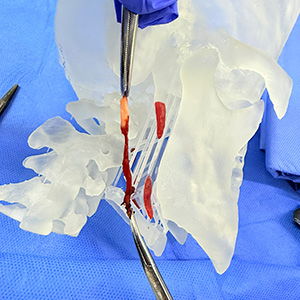
A little-known condition that can cause chronic facial pain
Persistent facial pain, neck discomfort, or a constant sensation of difficulty when swallowing are often attributed to multiple causes, ranging from dental issues to muscular disorders. However, there is a little-known and frequently misdiagnosed condition that may be responsible for these symptoms: Eagle Syndrome.
Due to its low prevalence and the similarity of its symptoms to other conditions, many patients go years without an accurate diagnosis, significantly affecting their quality of life.
What is Eagle Syndrome?
Eagle Syndrome is an anatomical condition characterized by elongation or calcification of the styloid process, a thin bony structure located at the base of the skull, behind the jaw.
When this structure is longer than normal or calcified, it can irritate or compress nearby nerves, muscles, and blood vessels, causing pain and other symptoms.
Although an elongated styloid process may be found on imaging studies without causing discomfort, it is only considered Eagle Syndrome when this anatomical alteration produces clinical symptoms.
Why is it a frequently misdiagnosed condition?
Eagle Syndrome is not widely recognized, even within the medical community. Its symptoms can easily be confused with:
- Temporomandibular joint disorders
- Cervical pain
- Facial neuralgias
- Dental problems
- Throat or ear infections
This similarity often leads patients to receive treatments for years without relief, until they are finally evaluated by a maxillofacial surgeon experienced in this condition.
Most common symptoms of Eagle Syndrome
Symptoms may vary from patient to patient, but the most common include:
- Persistent throat or neck pain
- Unilateral facial pain
- Pain radiating to the ear
- Sensation of a foreign body when swallowing
- Discomfort when moving the head or speaking
- Pain that does not respond to conventional treatments
In some cases, pain may be intermittent; in others, constant and debilitating.
Impact on quality of life
Chronic pain associated with Eagle Syndrome can affect:
- Eating
- Sleep
- Concentration
- Emotional well-being
Many patients report frustration after multiple medical consultations without clear answers. An accurate diagnosis can be a turning point in both physical and emotional health.
Specialized diagnosis
Diagnosing Eagle Syndrome requires a thorough clinical evaluation, supported by specific imaging studies such as computed tomography.
Dr. Moisés Guerrero performs a comprehensive assessment that includes:
- Complete medical history
- Symptom analysis
- Detailed imaging studies
- Specialized physical examination
This approach allows Eagle Syndrome to be differentiated from other conditions with similar symptoms.
Treatment options
Conservative treatment
In mild cases, initial management may include:
- Pain medication
- Anti-inflammatory drugs
- Supportive therapies
However, these treatments usually provide only temporary relief.
Surgical treatment
When symptoms are persistent or significantly impact quality of life, surgical treatment is the most effective option.
Surgery involves partial or complete resection of the styloid process, eliminating the source of pain definitively.
Importance of surgical experience
Surgery for Eagle Syndrome requires high precision, due to the proximity of critical nerves and blood vessels.
Dr. Moisés Guerrero has experience in the surgical treatment of this rare condition, offering a safe approach focused on definitive symptom relief.
Recovery and follow-up
After surgery, most patients experience:
- Progressive pain reduction
- Significant improvement in quality of life
- Adequate functional recovery
Medical follow-up is essential to ensure proper healing and early detection of any complications.
Conclusion
Eagle Syndrome is a real, little-known, and frequently misdiagnosed condition that can be the cause of persistent facial and cervical pain.
Specialized evaluation and appropriate treatment can make a significant difference in a patient’s life, restoring comfort and functionality.